

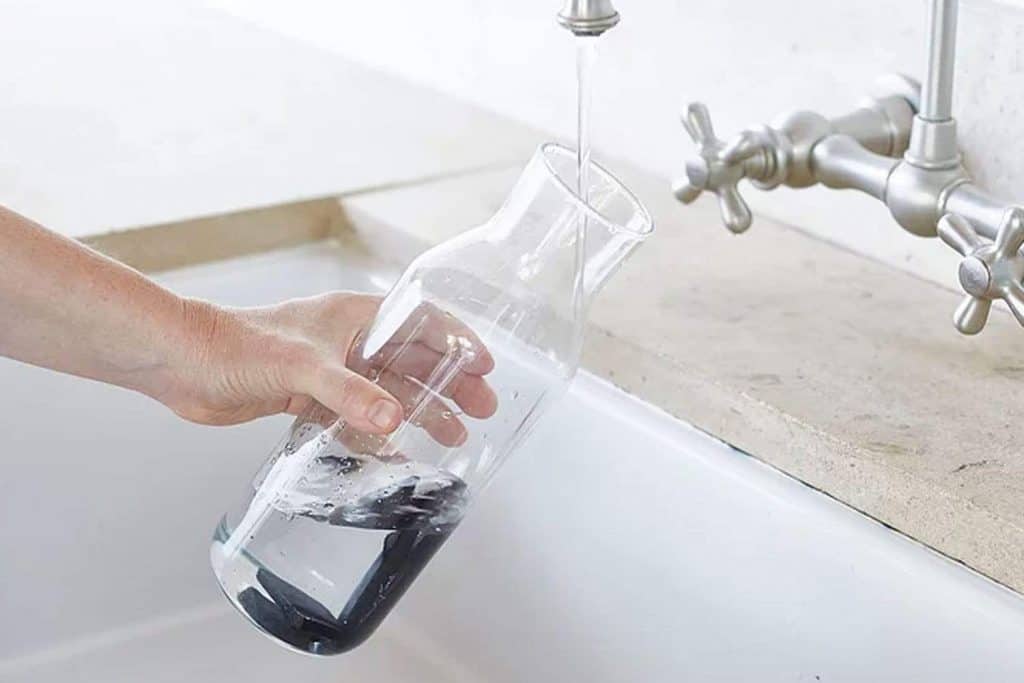
Water is essential to life and to the body’s normal functions. Good-quality drinking water is an everyday priority.
Access to safe water varies around the world. In Estonia, drinking-water supplies are monitored, but the quality at an individual tap can also depend on the source, local plumbing and the building. Understanding your own water is a useful starting point.
Water treatment has a long history, and there are several options for use at home. Which method is practical for your needs, and what are its limitations?
Understanding unwanted substances in water
Drinking water must meet quality standards, but treatment does not mean the complete absence of every substance. Water-quality reports and, where appropriate, a laboratory test can help identify what is relevant to your supply.
Bottled water is one alternative, but regular purchases add cost and packaging. At an illustrative €1 per litre and three litres per day, the cost reaches €450 in about five months.
Bottled waters differ in source, treatment and packaging. Check the label and storage instructions rather than assuming all bottled water is the same.
Treating water where you use it can be practical. Here are seven approaches, with their main uses and limitations.
1. Boiling
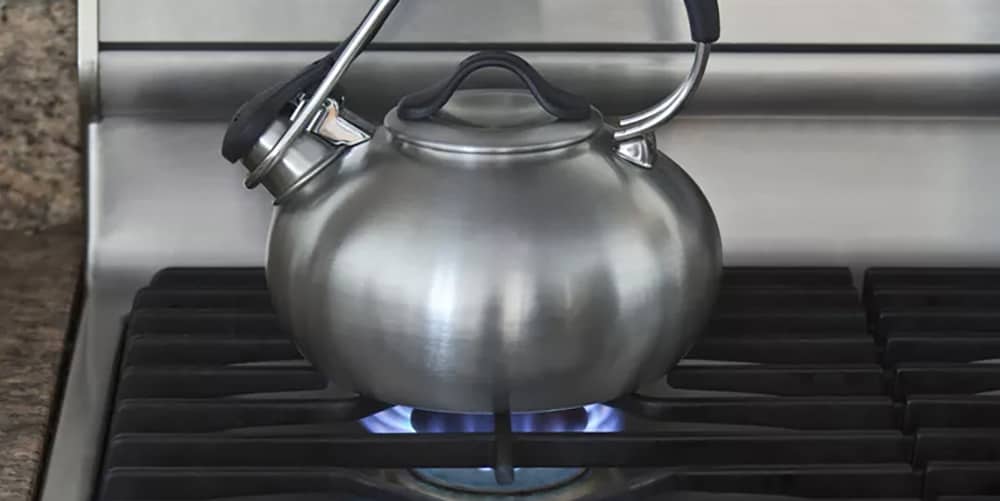
Boiling is an established way to control disease-causing microorganisms. It does not remove dissolved chemicals or metals, so it is not a complete solution to every water-quality problem. Follow local guidance if a boil-water notice applies.
2. Filter jugs
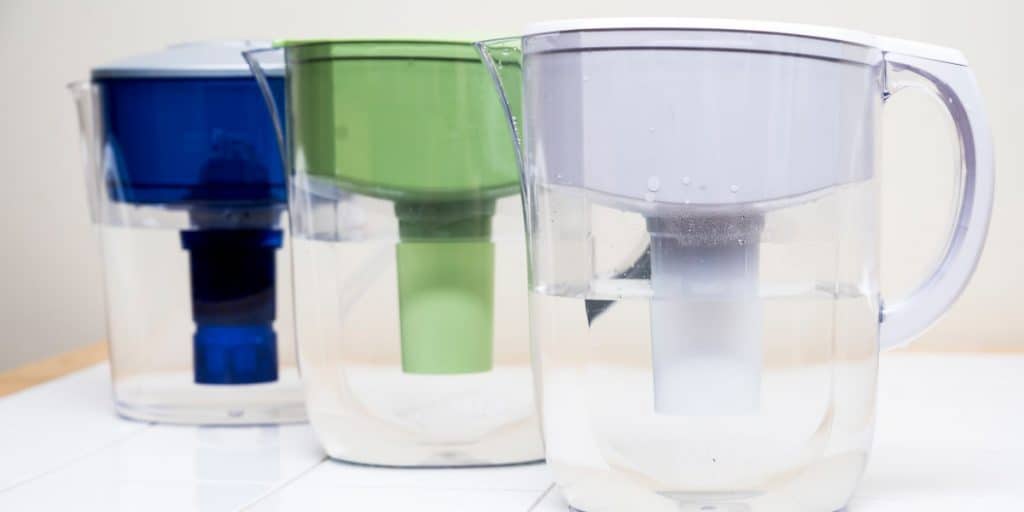
Filter jugs are affordable and convenient, especially for improving taste and odour. Their performance depends on the cartridge: some also reduce particular metals or other substances. Check the manufacturer’s specific claims and replace cartridges on time.
3. Ultraviolet treatment
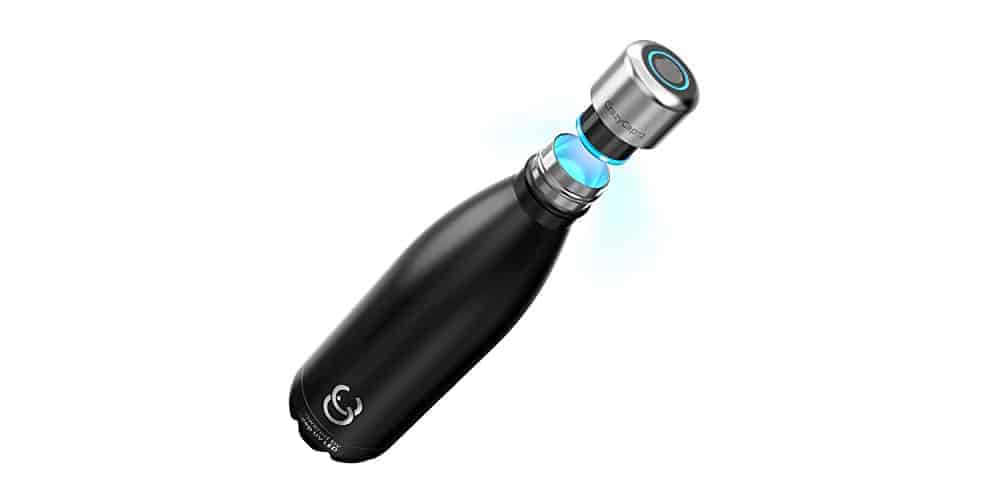
UV treatment targets microorganisms rather than dissolved chemicals. It needs suitably clear water, so sediment and turbidity may require pre-treatment. The system must be correctly specified and maintained.
4. Distillation
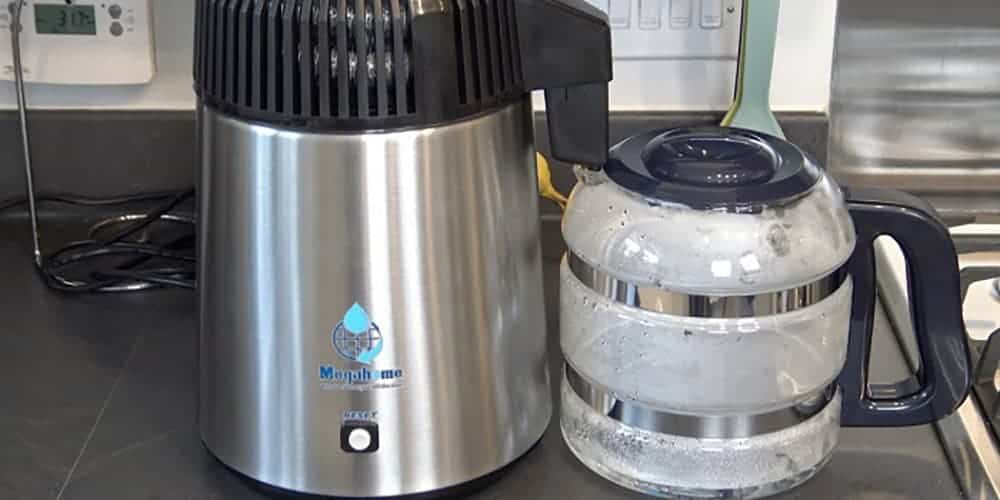
Distillation boils water and collects the condensed vapour, leaving many dissolved substances behind. It takes time and energy, and some volatile substances need additional treatment. Regular cleaning is important.
5. Activated carbon
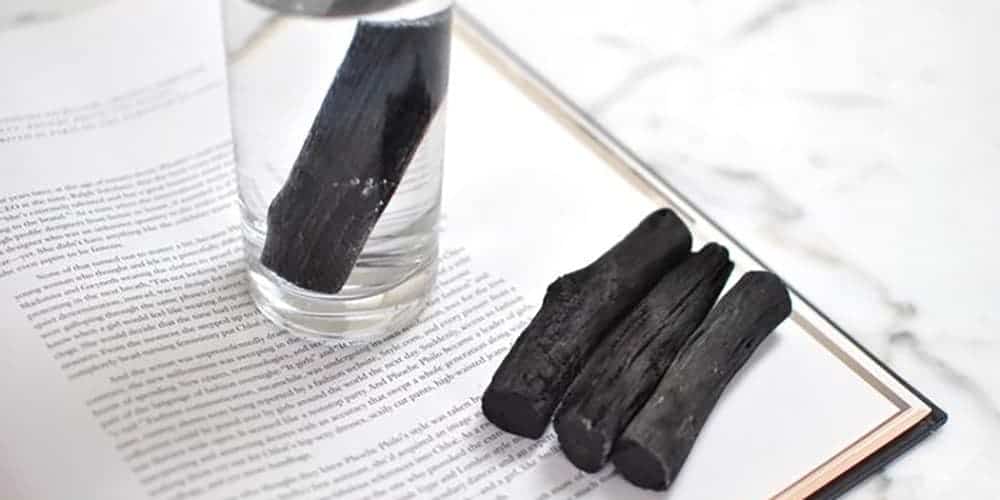
Activated carbon is commonly used to reduce chlorine, tastes, odours and certain organic compounds. What it removes depends on the carbon, cartridge design and contact time. It is not a substitute for every type of treatment, and replacement intervals matter.
6. Reverse osmosis
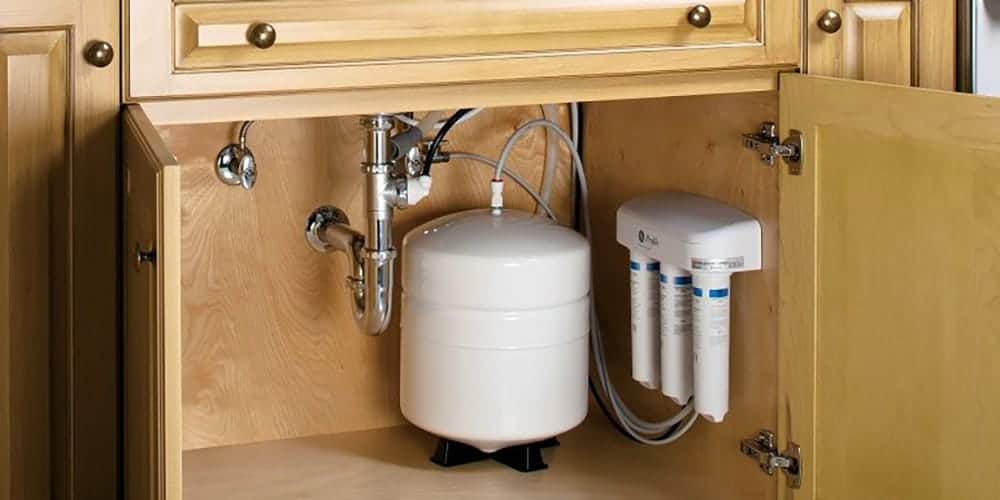
Reverse osmosis passes water through a membrane to reduce many dissolved substances, including minerals. Systems often combine this with pre- and post-filtration. Consider installation, filter replacement, sanitising and tank care when comparing options.
7. Countertop reverse osmosis
Countertop systems offer reverse osmosis in a compact format. Models with refillable tanks avoid the need for a permanent plumbing connection.
One countertop option is Osmio Zero, which dispenses filtered water at a choice of temperatures for everyday drinking and hot drinks. Osmio Zero also includes a remineralisation filter to add minerals back after treatment.
Its compact design is suitable for many kitchens and can be moved to another location with a power socket. Routine cleaning, sanitising and filter changes are still required.