
H8 hydrogen-water ioniser
€125,00 Original price was: €125,00.€119,00Current price is: €119,00.
H8 produces hydrogen-enriched water and hydrogen gas by electrolysis using SPE (Solid Polymer Electrolysis) and PEM (Proton Exchange Membrane) technology.
Add molecular hydrogen to your drinking water
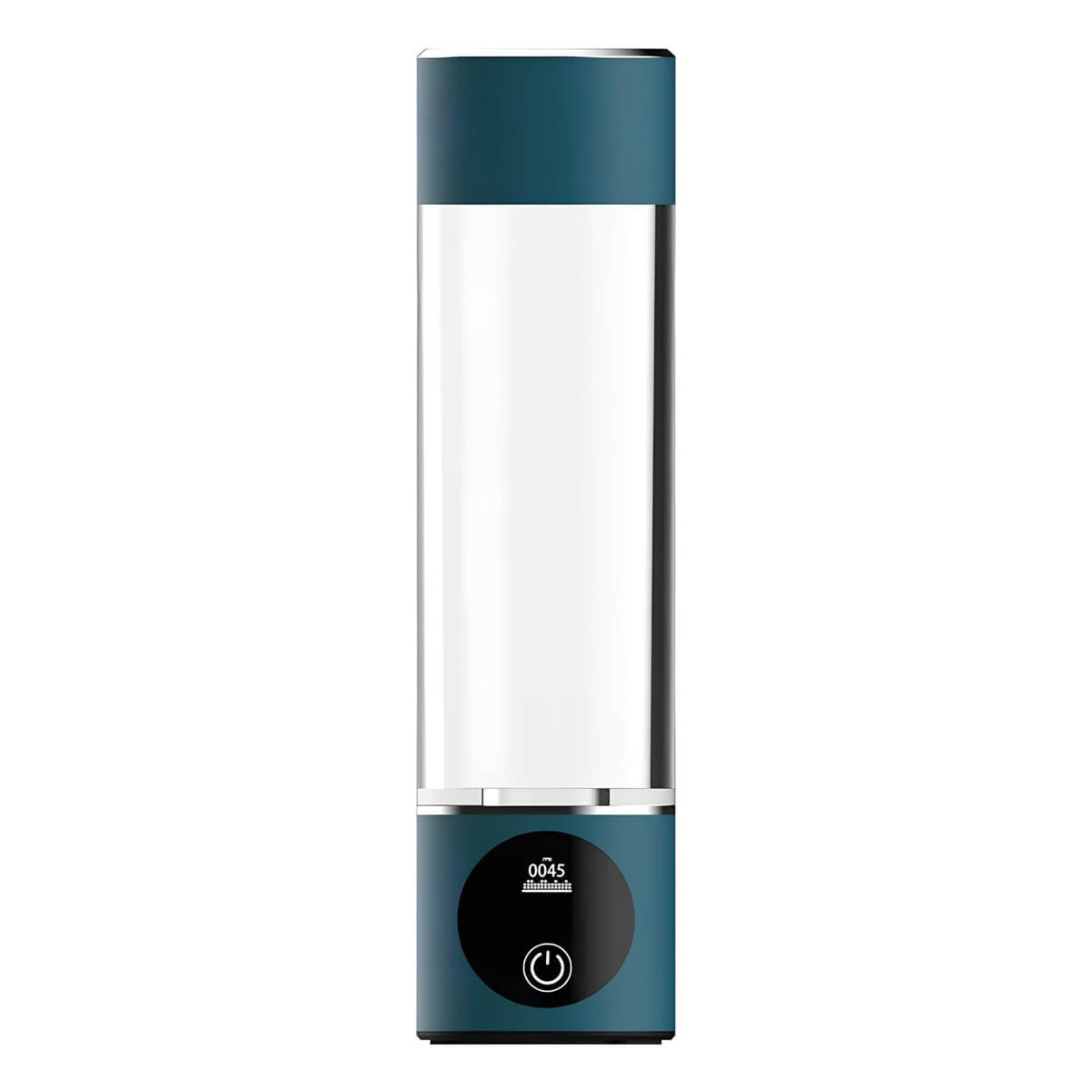
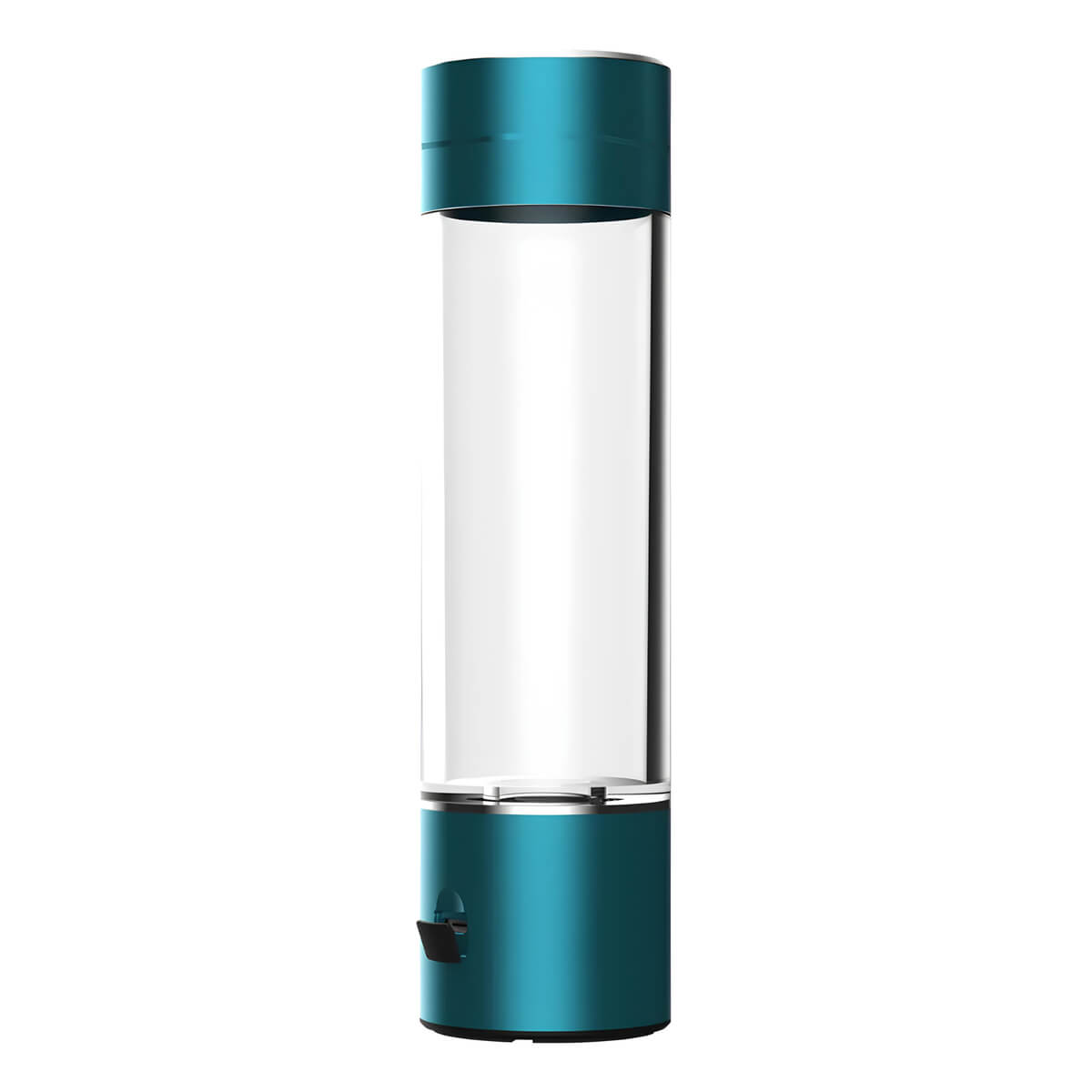
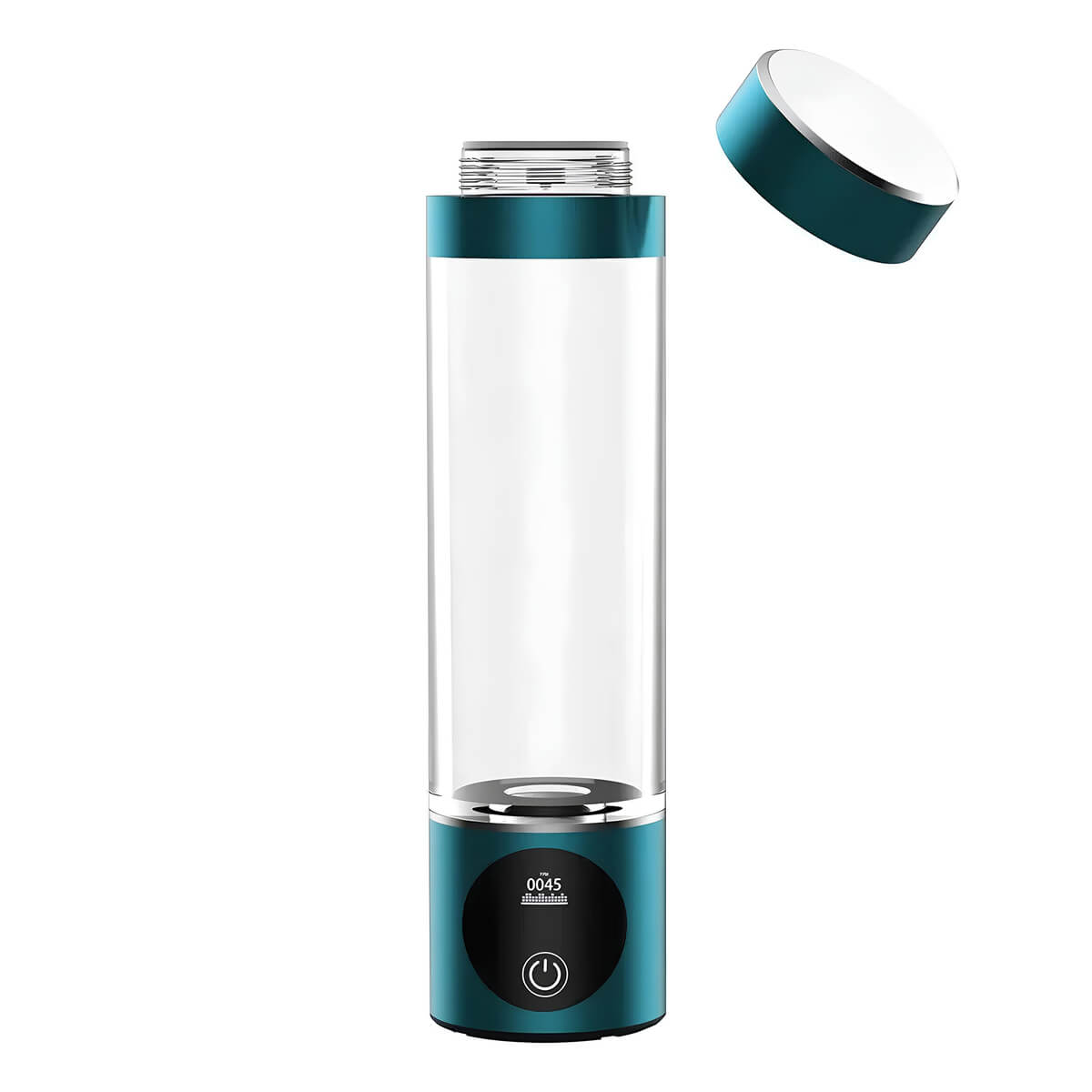
H8 is a 280 ml bottle designed to produce hydrogen-enriched water and hydrogen gas by electrolysis.
- Molecular hydrogen: an area of ongoing research
- Research includes its role in cellular processes
- Insulin sensitivity is one area of ongoing research
- Inflammatory responses are another area under investigation
- Research is also exploring responses to oxidative stress
Hydrogen is a major component of water and of many molecules in the body.
Hydrogen is a major component of many molecules in the body.
It is also the simplest element and the most abundant element in the universe.
Molecular hydrogen has attracted research into its interaction with oxidative stress.
Some gut bacteria also produce hydrogen naturally.
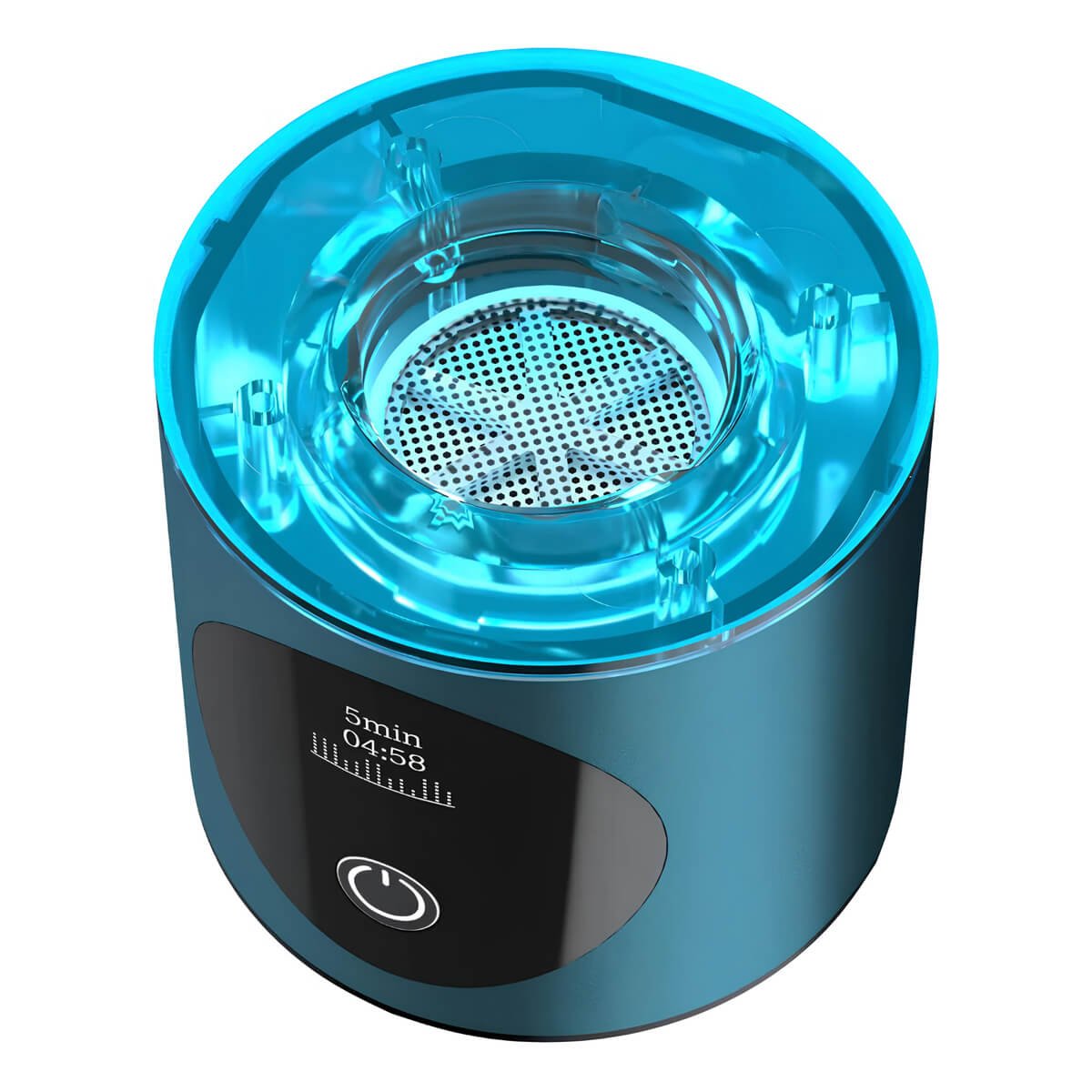
H8 uses Proton Exchange Membrane (PEM) and Solid Polymer Electrolysis (SPE) technology to add molecular hydrogen to water, without adding elemental magnesium to the bottle.
A practical introduction to hydrogen-enriched water
- Hydrogen's antioxidant properties are being studied
- Research examines its interaction with reactive oxygen species
- Clinical benefits are not established by owning a hydrogen-water bottle
Oxidative stress and the body’s responses to reactive oxygen species are subjects of ongoing research.
The effects of molecular hydrogen depend on the study and do not establish a general medical benefit from a water bottle.
Research into hydrogen’s biological effects is ongoing. Choose H8 for its technical specifications rather than a promise of medical benefits.
Features
- Produces water with a stated ORP of −300 to −750 mV.
- Stated H₂ concentration after a five-minute cycle: 1,600 ppb (1.6 ppm).
- Stated H₂ concentration after a ten-minute cycle: 3,000 ppb (3.0 ppm).
- Uses Proton Exchange Membrane (PEM) and Solid Polymer Electrolysis (SPE) technology.
- An integrated mechanism separates and vents chlorine, ozone and oxides from the bottle.
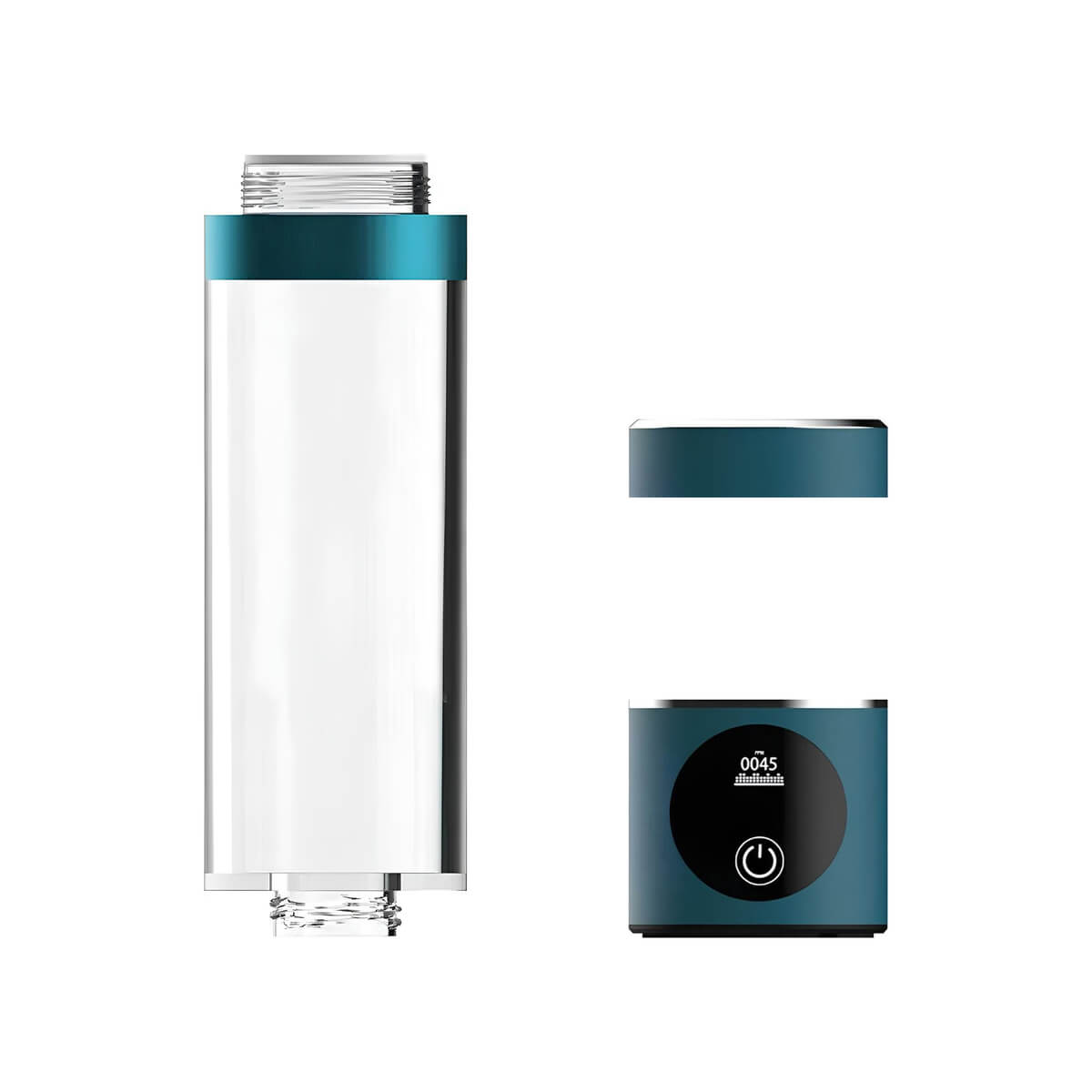
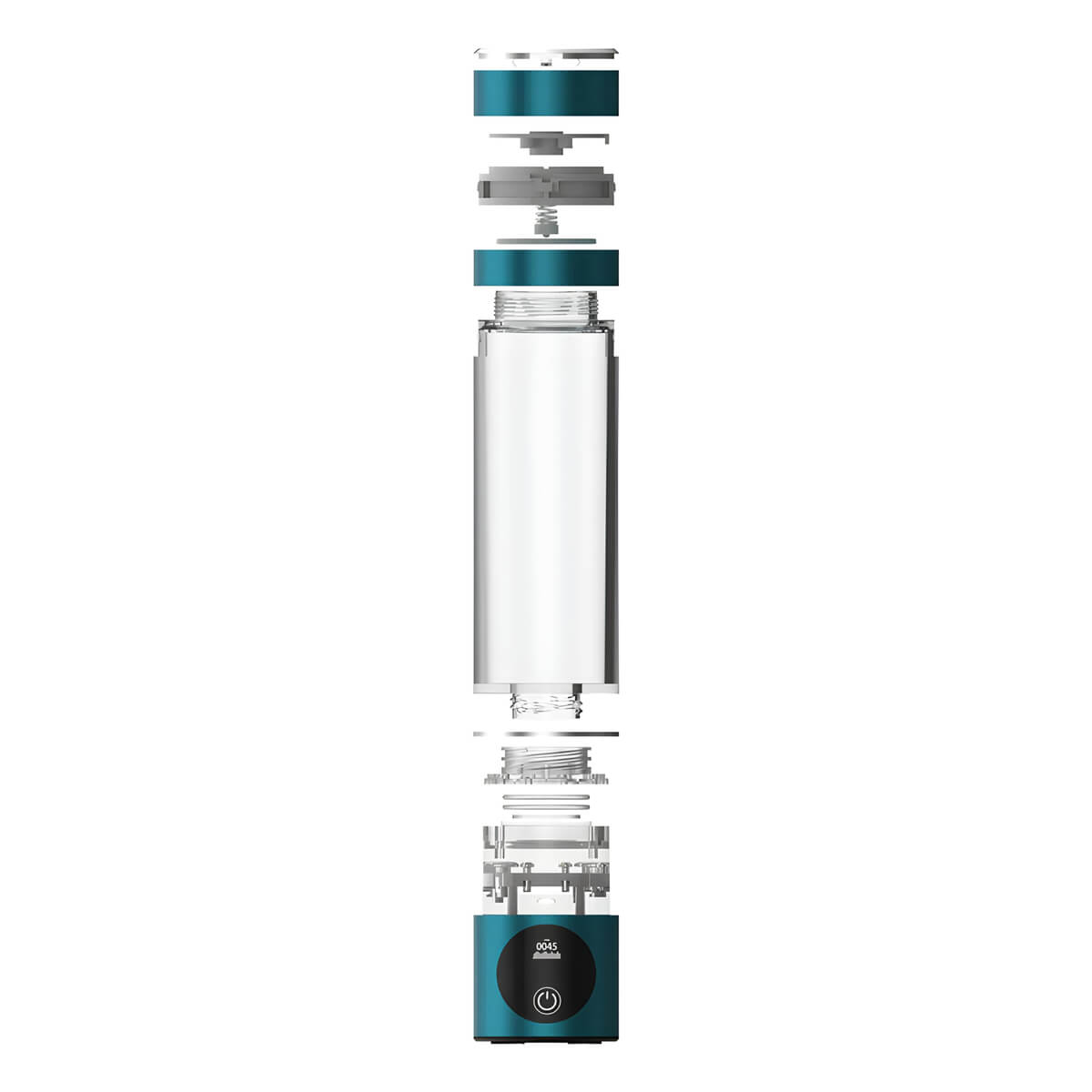
- Made with borosilicate glass and a platinum-coated titanium electrode. The lid and other plastic components do not come into contact with the water.
| Colour | Silver |
|---|---|
| Brand | Olansi |
| Specifications | SPE (PEM) dual-chamber electrolysis. Clear borosilicate-glass bottle with a vented lid and base, and platinum–titanium electrode plates. Other plastic components do not contact the water. ORP: −200 to −400 mV. H₂ concentration: 1,600–3,000 ppb (1.6–3.0 ppm) after a five- or ten-minute cycle. Rechargeable 5 V / 2 A lithium-ion battery, 1.5 Ah; charging time 3–4 hours. Battery replacement by an authorised technician. Operating temperature: 1–55°C. Glass water-container capacity: 280 ml. Size: 230 × 60 mm. |
| Maintenance | Clean with citric acid every 4–6 weeks unless using reverse osmosis water. For a long break in use, leave clean reverse osmosis water in the bottle to keep the electrolysis chamber moist and clean. Do not switch the device on without water. |
Questions
How long does hydrogen stay in the water?
Use the water promptly after enriching it with hydrogen. The product guidance gives approximately two hours, so prepare only as much as you expect to drink within that time.
Does it produce alkaline water?
Electrolysis can affect pH, but the result depends on the device and source water. The pH of drinking water changes in the stomach; alkaline water does not make the entire body alkaline.
Can I use sparkling water?
Sparkling water is not recommended. Dissolved gas and bubbling can cause the added hydrogen to leave the water quickly. Follow the manufacturer’s water requirements.
Included
- Bottle cap
- Glass bottle
- Electrolysis base
- USB power cable